On this page
Before CFA® exam day, settle four things you can control: confirm the appointment and route, check that your identification meets CFA Institute's policy, bring an authorised calculator, and understand how the scheduled and unscheduled breaks work. The test centre makes the final admission and security decisions under the current rules. Treat this as a practical checklist to complete while there is still time to fix a mismatch, not as a substitute for the official exam-day guide or your appointment confirmation.
Confirm the actual appointment and route
Registration and scheduling are separate steps. CFA Institute's registration and scheduling guide says that a candidate is not successfully scheduled until a date and time are confirmed. Start with the appointment shown in the candidate account and the testing vendor's confirmation, rather than assuming that payment alone reserves a seat. Check the exact test-centre address, arrival instructions and any later change notice. If an email and the account appear inconsistent, resolve the discrepancy with the issuer or testing vendor before travelling. This step is especially useful for someone who registered months before the actual appointment.
CFA Institute's exam-day guide says to arrive 30 minutes before the scheduled appointment, and its admission policy warns that a late arrival can be refused admission. The recommendation is an arrival target, not a promise that check-in will take precisely half an hour. Security inspection and seating may run ahead of or behind the posted time. The policy says the exam begins when the candidate is seated and the exam is launched, so plan a comfortable route but follow the on-screen tutorial and start prompts at the centre. Do not turn a travel delay into a rule dispute at the desk.
A useful personal scenario is to work backwards from the appointment on the confirmation. Allow for the trip you will actually make, a plausible transport delay, and the issuer's 30-minute early arrival recommendation. Save the location in a map beforehand and check whether the account lists a different building entrance. These planning intervals are your own choices, not an official extra reporting requirement. If the location or appointment is changed by the vendor, use the newest official confirmation. The CFA programme page provides the broader programme context, but admission details belong to CFA Institute and the testing vendor.
Check identification while changes are still possible
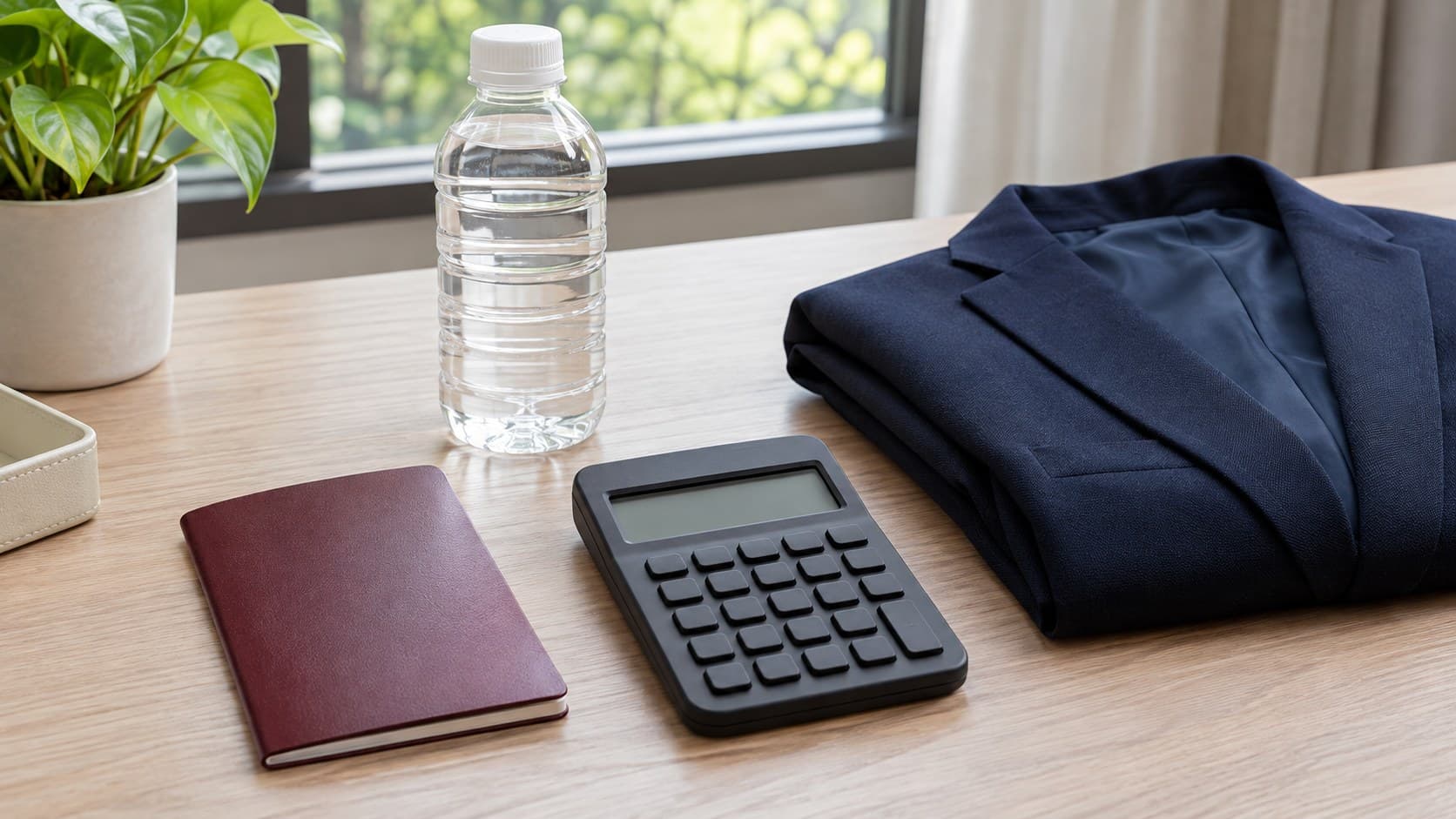
CFA Institute's identification policy generally requires a valid international travel passport. It must be the original, current, machine-readable document with a recognisable photograph, and the name in the relevant passport fields must match the candidate account under the policy's detailed rules. A photocopy or an expired passport is not a safe substitute. The passport is required at check-in for both exam sessions. Place it with the items you will take to the centre, then inspect the data page and the account fields rather than relying on how your name normally appears on work documents.
The name check needs care because a difference that seems minor socially can matter to admission. The policy explains how given names, surnames, suffixes and initials are treated, and it lists some approved alternative documents and an exception process. Do not assume a driving licence or national ID is acceptable merely because it has a photograph. If the passport or account is wrong, follow the actual policy and CFA Institute's current self-service instructions promptly. The policy says requests for exceptions to use another document must be made at least 30 days before the appointment; a late request is not guaranteed a response in time. The point of an early check is to preserve options, not to promise an exception.
CFA Institute also says it no longer collects a candidate's passport number or expiry date in the account, although it still collects country of issuance. That means absence of those fields on the profile is not, by itself, a data error. It does not relax the requirement to bring a valid passport. A sensible check is to compare the printed name on the actual data page with the candidate profile, then check expiration on the document itself. If you have a specific alternative travel document, consult the official list; the acceptance conditions vary by document and country. Avoid rewriting those exceptions from memory in a personal packing note.
Bring the right calculator and permitted items
The calculator policy authorises the Texas Instruments BA II Plus family, including the Professional, and the Hewlett Packard 12C family with the variants named in that policy. Those model names are the issuer's current list, not a general endorsement of financial calculators with similar functions. Check the name printed on your physical calculator against the policy. The test centre does not lend a calculator, and candidates may not borrow one from or share one with someone else during the exam. The calculator will be inspected before testing.
CFA Institute permits calculator covers, keystroke cards and loose batteries in the testing room but excludes instruction manuals. A small screwdriver may be kept if needed for a BA II Plus battery change. Test the calculator before leaving home and bring the permitted spare supplies that suit your model. Do not wait until check-in to discover a dead display or a model that merely looks similar to an approved one. The current policy also says possession or use of an unauthorised calculator can void an exam result even if a proctor missed it in an initial inspection. The candidate owns that compliance check.
The personal belongings policy lists what may be kept in the testing room and what must stay outside. It permits the passport, approved calculator, certain calculator accessories, ordinary eyeglasses without a case and water in a clear or transparent container with a lid or cap, subject to the centre's rules. Water labels must be removed and the container can be inspected; some centres may require water to stay in the personal belongings area. The policy excludes phones, smart watches and other communication devices from the testing room. Read the current list for any personal item you plan to take rather than treating a previous exam visit as precedent.
CFA Institute says the test centre supplies scratch paper, a whiteboard or an erasable writing tablet. That is why packing your own study notes or scratch sheets for the room is the wrong response to anxiety about working space. Keep prohibited items in the designated area and follow staff instructions. The guide also mentions layers of clothing for comfort, which is a practical decision because room temperature can vary. A clear bottle and an approved calculator may appear simple, but the policy's details determine whether they can be at your desk.
Understand the two kinds of break
The exam-day guide shows an optional break between the content sessions. Its typical on-screen schedule allocates 31 minutes to the break introduction and optional break segment. The content sessions are separate timed sections; the guide gives 135 minutes each for Level I and 132 minutes each for Level II and Level III. Those figures describe the issuer's typical structure as displayed in the guide, not your personal appointment duration or a promise about local check-in time. Follow the timer and prompts shown during your exam and the instructions from testing personnel.
The admission policy also allows up to two unscheduled breaks during testing. The crucial difference is that the testing clock does not pause on an unscheduled break. The candidate may use the designated restroom and, with staff authorisation, access personal belongings for water, food or medical items, but may not access a phone, electronic device or study material. The candidate may not leave the test centre during an unscheduled break. These conditions make an unscheduled break a controlled pause from the desk, not free time to check a message or revisit notes.
A worked planning scenario helps. Suppose a candidate has a confirmed morning appointment, has already checked the passport and calculator, and expects to eat during the optional mid-exam break. They should put food in the designated belongings area, listen for the proctor's break instructions, and allow for security screening before returning to the room. If they need an unscheduled restroom break while a content section is running, they should understand that the section timer continues. The candidate should not assume that leaving the room preserves their remaining answer time. The scenario is illustrative; local staff instructions and the on-screen schedule govern the actual visit.
Use a final personal check without inventing rules
The evening before, inspect the passport's original data page, the name in the account, the physical calculator model and working battery, and the latest appointment details. Read the current issuer policies for any unusual item or identification situation. On the day, arrive with time for the stated early-arrival recommendation, follow check-in instructions, and ask staff how to request a break. These checks address common preventable logistics failures without pretending that every candidate or centre has the same circumstances.
There is no need to memorise every line of a policy page. The useful distinction is between what you can settle in advance and what the centre controls on the day. You can verify your documents, calculator and route; staff apply security and break procedures at the location. For study planning around the appointment, the CFA study-calendar guide is a separate resource. For admission, carry the issuer's current rules in mind and use its pages as the authority if a detail changes after this article was prepared.
Sources
- CFA Exam Day Guide | CFA Institute · cfainstitute.org · Retrieved
- CFA Program Identification Policy | CFA Institute · cfainstitute.org · Retrieved
- CFA Exam Calculator Policy | CFA Institute · cfainstitute.org · Retrieved
- CFA Exam Admission and Appointment Policy | CFA Institute · cfainstitute.org · Retrieved
- CFA Program Exam Personal Belongings Policy | CFA Institute · cfainstitute.org · Retrieved
- CFA Exam Registration Guide | CFA Institute · cfainstitute.org · Retrieved