
CFA® index weighting: why the same stocks return differently
Concept
Price, equal and market-capitalisation weights give stocks different influence. Calculate all three returns from one invented example and learn the exam trap.
· 2 min
New to Omni?·Get 20% off your first purchase with code WELCOME20 at checkout.See plans
Short, specific writing on the CFA, FRM, CAIA, CFP and ESG programs — exam strategy, curriculum shifts and what the charter actually signals. Written for candidates who are sitting, not browsing.
Page 16 of 17
Price, equal and market-capitalisation weights give stocks different influence. Calculate all three returns from one invented example and learn the exam trap.
· 2 min

Common-size income statements show lines as a share of revenue, letting you compare margins across firms and periods. See a worked example and the denominator trap.
· 2 min

A group surplus can conceal a parent-bank funding gap when subsidiary cash cannot move under stress. Learn how scope and transfer assumptions change the result.
· 2 min
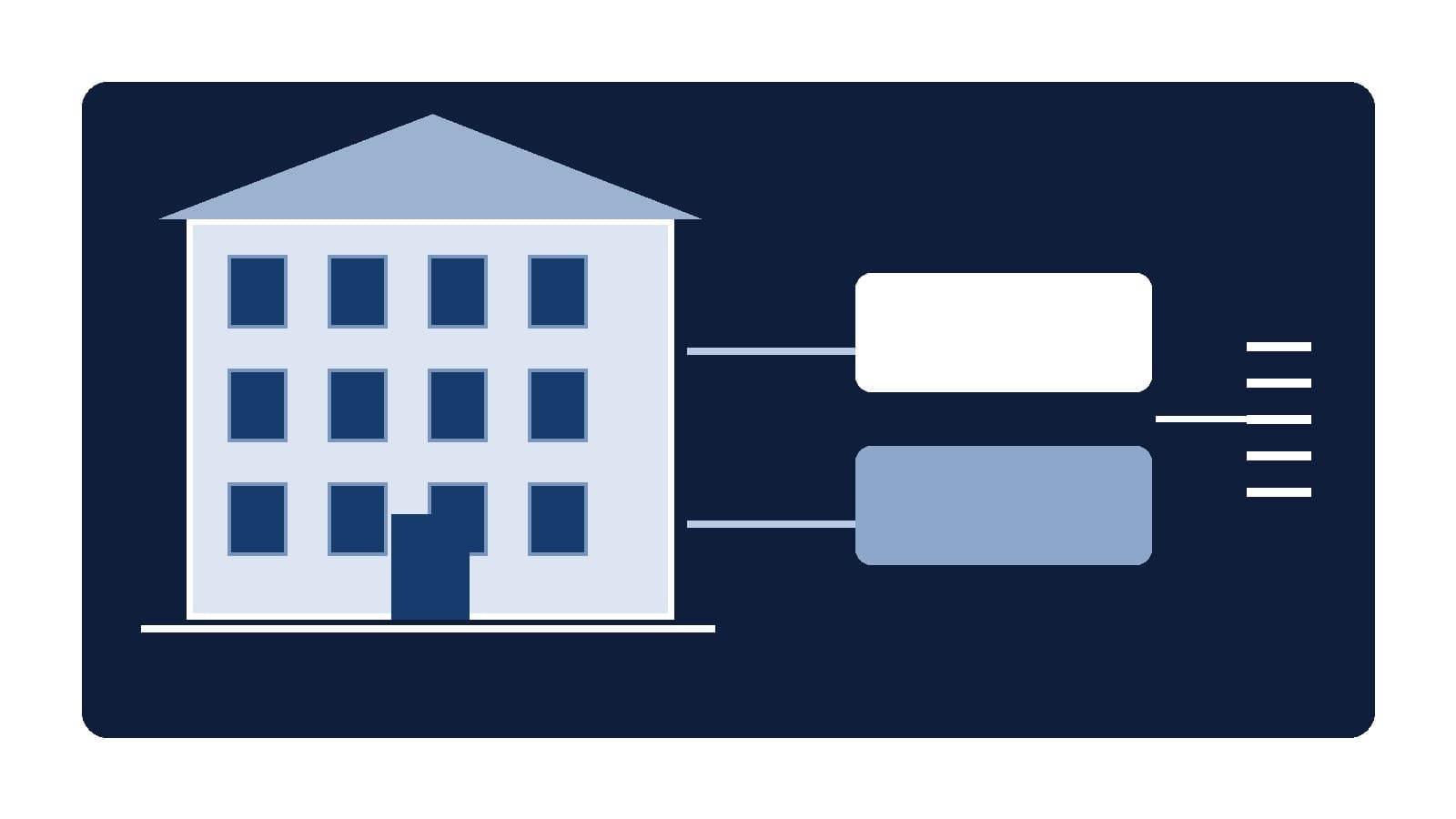
A property can support direct equity, a mortgage or a listed share. Separate the claim, access route and investment style before comparing its risk or liquidity.
· 3 min
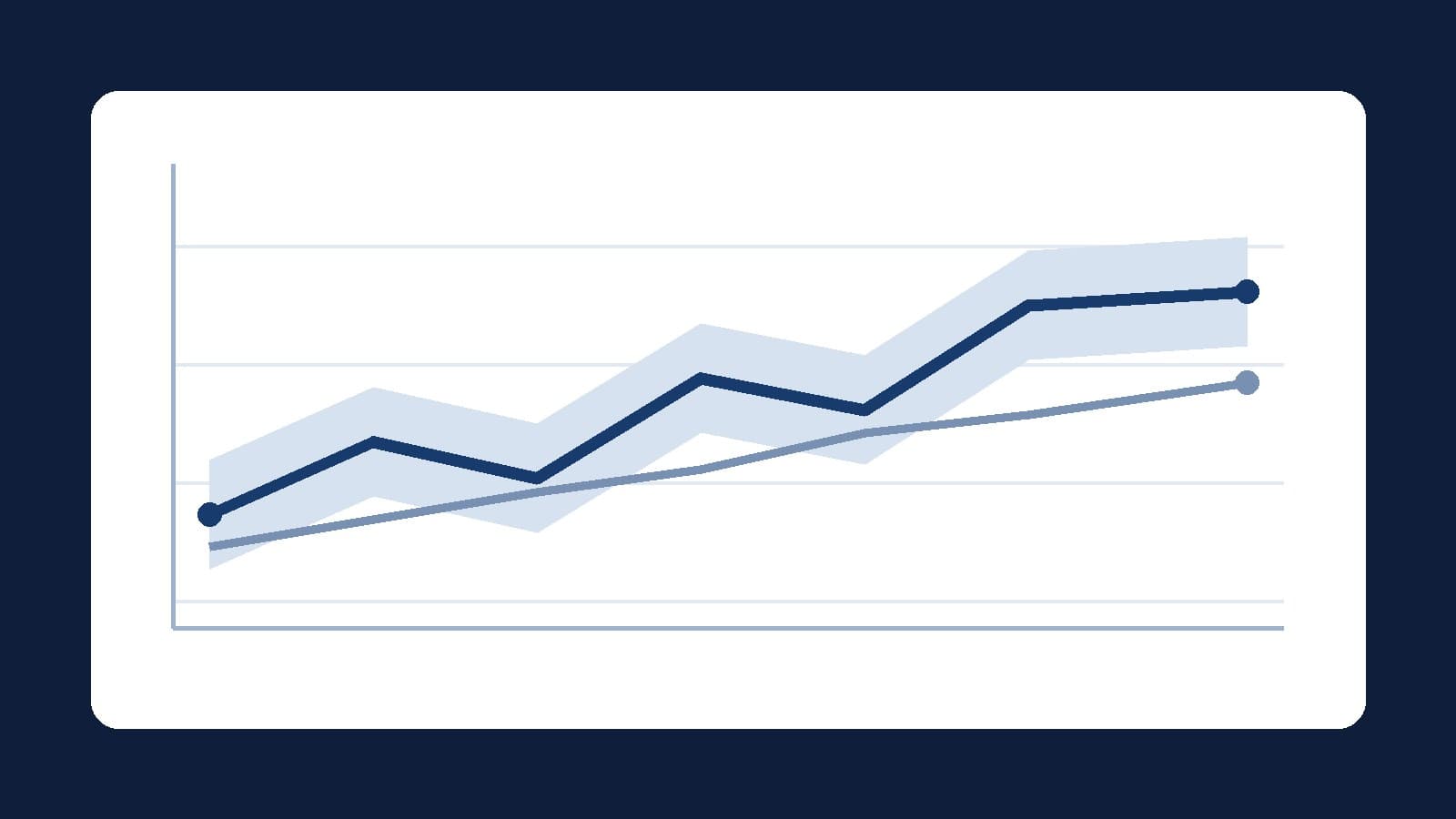
Active return tests a manager against a benchmark; the Sharpe ratio scales excess return by total volatility. Work through both without mixing reference points.
· 2 min
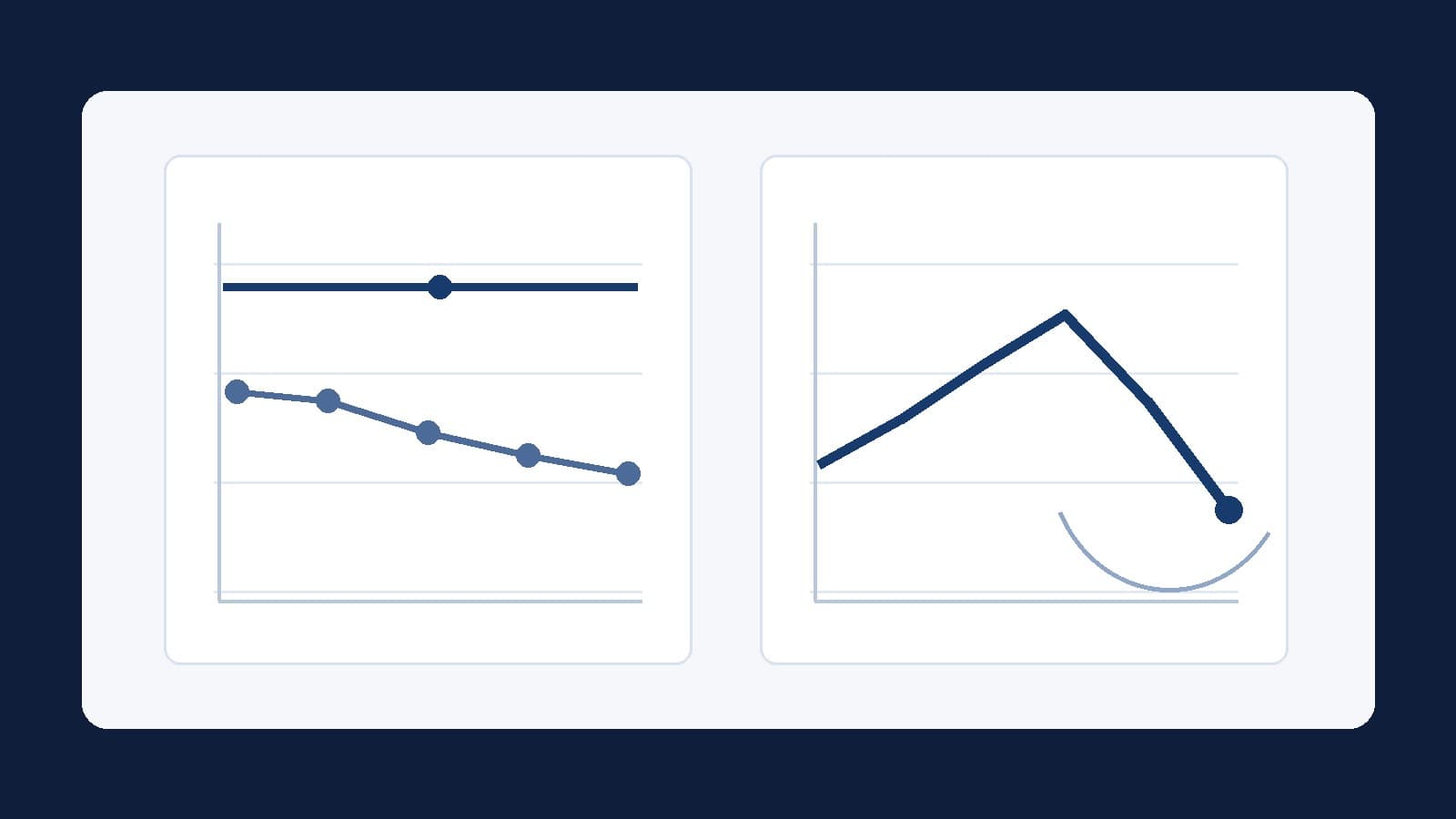
A falling price can trigger an old reference point or a painful reaction to loss. Separate them in a CFP® planning conversation without labelling the client.
· 2 min

Subadditivity says combined risk should not exceed the sum of stand-alone risks. A loss table shows why value at risk can fail while expected shortfall holds.
· 2 min

The same quoted annual rate produces different growth and discount factors when compounding changes. Work through annual and quarterly cases, avoid a common mix-up.
· 2 min

A fixed exclusion and a within-sector ranking can produce very different portfolios from the same issuers. Learn how to apply each rule and check benchmark drift.
· 2 min

A bond indenture can require issuer action or restrict what it may do. Classify fictional clauses, then check the contract before assuming a breach accelerates debt.
· 3 min

A simple average can be positive even when an account finishes below its starting value. See how period returns compound and which average answers the question.
· 3 min

A warranty claim may be paid later, but the expected cost can belong in the sale period. Work through the provision, its later settlement and the analysis trap.
· 2 min

Keep the source edition, date, assumptions and corrected example together. A practical note record prevents older facts and changed inputs from mixing unnoticed.
· 3 min

Compare a chosen study target with the hours your calendar can actually supply. Use a missed-week case to plan contingencies without promising an exam result.
· 3 min
Read value measures alongside the actual project constraints. Compare a scale conflict and an indivisible budget before turning a ranking into a choice.
· 3 min

Separate a base calculation, a sensitivity check and a scenario comparison. Keep the changed assumptions visible instead of treating a result as a guarantee.
· 3 min

Prepare a research example you can defend in an interview. Show the inputs, independent check and limits of the conclusion without using private client records.
· 3 min
Inspect coverage, methods, periods and denominators before interpreting an ESG chart. Reconcile amount and intensity changes with documented source records.
· 3 min
Test an overbroad claim with a case that satisfies its stated conditions. Use three finance examples to distinguish a counterexample from a mismatched scenario.
· 3 min
Separate input state, timing and model assumptions when a finance calculation disagrees. Use an explicit schedule and a second check to identify the cause.
· 3 min

Mix environmental, governance and valuation review across the week instead of exhausting one topic first. This rotation shows what to retrieve, check and revisit.
· 2 min

Close a CAIA reading before you review it again. A memory test can show which definitions, mechanisms and limits you can explain, so your next pass has a purpose.
· 2 min

Operational due diligence checks whether a manager's controls support reported returns. Follow the evidence from valuations to custody, documents and oversight.
· 3 min

CFA Institute gives Level I candidates 90 questions in each 135-minute session. Use that format to set checkpoints, handle slow questions and protect time to review.
· 2 min